


Buying a car tends to be one of the bigger investments we make during our lifetimes. Because of this, buying a news car should take a bit of planning and careful consideration. That’s why we’re writing this guide; because we love giving people unwarranted advice on how to spend their money!
So we all know that South Africans love their cars, especially the venerable bakkie.

The bakkie market in South Africa is super competitive, and big brands are constantly vying for the top spot in this segment, which means that facelifts and new model releases are a common occurrence. This is a good thing for those looking at buying second hand.
Many people are skeptical about buying used or second-hand cars. This is a fairly valid concern, as unscrupulous dealers have been known to sell vehicles with suspect pasts to unknowing buyers, often with disastrous results. Things like patchy or incomplete service records, tampering with odometer readings and general lack of maintenance can result in costly breakdowns, engine rebuilds and most importantly, it can jeopardise you and your family’s safety.
Doing some basic checks can save you a lot of time and money.
These days, the vehicles being made use better technology, materials and expertise which translate into bakkies that have a longer shelf-life. That still doesn’t mean you can avoid buying a lemon all together, and that’s why we’re here to guide you through the sometimes confusing maze of the second-hand bakkie market.
We sincerely hope that by the end of this post, you’ll be one step closer to making a confident and well informed choice when buying your bakkie!
Some pro’s about going second-hand
Buying second-hand is better for the environment
Building and later disposing of a car takes its toll on the environment.That’s why people who are environmentally conscious tend to go for second-hand vehicles. Every time you buy a used bakkie over a new one, it is one car that has already passed through the manufacturing process and it is one less vehicle to dispose of.
Value
Everyone knows that as soon as you drive a vehicle off the showroom floor, it loses up to fifteen percent or more of its sale value, and will continue to lose value quite rapidly over the next four years by which time the vehicle, whilst still being relatively new will be worth half of its purchase value. After about 4 years cars tend to depreciate a lot slower, that’s why it makes sense to purchase a three or four year old bakkie, as it is still quite new, but the price you pay will be much less.
This also applies to selling the car again further down the line. When you sell after another three or four years, your pockets will face less damage than if you resell your new vehicle after three or four years.

Insurance
If you buy a used bakkie, it costs less to insure than a new one! It goes without saying that certain brands will come with an insurance premium due to their popularity umongst our beloved hijackers, but in general, a second hand bakkie will help you save on insurance.
South Africa is still relatively new to 4×4 niche insurance, but companies like Budget Insurance and Tuff Stuff offer tailored cover for the guys who like to use their cars for what they were intended for.
Parts availability
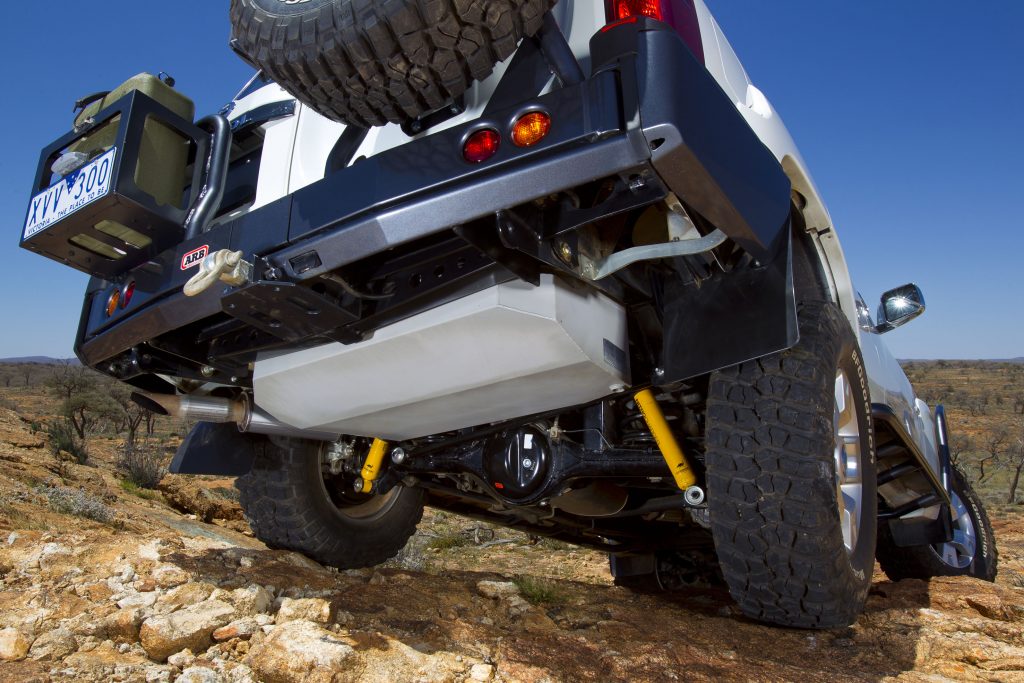
Popular second-hand bakkies come with a ton of aftermarket support. This ranges from general service parts, body panels and ancillaries to off-roading equipment and parts such as bullbars, long-range fuel tanks and suspension parts.
And the cons?
No guarantees
Even with a full service history and a check-up by a trusted company such as AA, you’re still taking a calculated risk. You’ll have to take all things into account and make a decision based on these various factors.
Warranty or motor plan?
These days, aftermarket warranties and motor-plans can help ease your mind when buying a second-hand bakkie, but if you don’t invest in some cover, repairs can get expensive, especially on turbocharged bakkies or models with complicated 4×4 mechanical systems.
What you see is what you get.
When shopping for second-hand bakkies, you forego the luxury of spec’ing factory fitted extras. There is however the aftermarket industry…
Now that you’ve weighed up the pro’s and cons, lets take a look at the things you should consider when buying a second hand bakkie.
Petrol vs. Diesel
Purchase Price of Diesel Vs. Petrol Cars
The initial purchasing price of diesel bakkies tends to be more, but if you keep them for long enough, they can make up for the extra initial cost with fuel savings.

Resale cost:
When it comes to getting rid of your beloved bakkie, diesels tend to have better resale value, while bakkies with large capacity petrol engines tend to occupy the lower ranks of the resale ladder.
Up at the reef or down at the coast? Another thing to consider is your location. Naturally aspirated engines tend to struggle at higher altitudes, and owners can expect to see power losses of up to 20% in places like Johannesburg. Turbo diesel powered bakkies tend to fair better and only lose a few percentage points up at the reef. Down at the coast the playing field is equalized.
What do I want to use my bakkie for?
Are you planning on using your bakkie to fetch the kids from school, or are you packing up for a trip to the Skeleton Coast? Knowing what you intend to use your bakkie for will play a massive role in deciding which model suits you.

It goes without saying that bakkies geared for off-roading will come at a premium price, while 2×4 versions will be easier on the wallet. 4×4 models will give you the freedom to go anywhere, but will cost more to keep on the road (or off it) and maintain, while 2×4 models will somewhat limit your range of possible destinations, but you’ll tend to save on purchasing price and maintenance.
At the end of the day you’ll have to decide if you want a bakkie that can take you off the beaten track, or if you need a bakkie for transport and loading that’ll live most of its life in the concrete jungle.
Age and mileage
Bakkies tend to be hardy things, and can stand more abuse than regular cars, but that doesn’t mean that they’re immune to problems. As long as a bakkie has been well-maintained, you should get away with buying an older model with higher mileage.
With age, certain parts will have to be replaced, regardless of a spotless service history.
These include:
Brake disks pads, brake fluid and lines
Hoses and clamps tend to rot and become brittle with age, make sure to check these
Batteries and battery clamps
Transmission fluid
Coolant and radiators
Air conditioning systems
Plastic parts like headlight assemblies and other plastic bits and pieces
Cabin air filters
Spark plugs.
Distributor caps and rotors
Spark plug wires
Oxygen sensors
Shocks and springs
PCV valves
Throttle body maintenance (these tend to get gunky)
U-joints
Air filters
Accessory drive belts
Timing belts (if your vehicle has a timing chain, it usually doesn’t need to be replaced unless there’s a problem with it)
Wheel alignment
Lubricants
Alternators
Accident damage
When inspecting a second-hand bakkie, it is imperative to check for any accident damage, and since bakkies tend to lead hard lives in South Africa, this becomes an even more important factor.
Things to look out for include:
Paint overspray:
If you spot overspray in the engine bay or any other part of the car, it usually means that the car has been involved in some sort of accident and has had parts replaces and re-sprayed.
Panels that don’t line up:
This is one of the classic signs that a car has been in a bash. Check that the bonnet and doors all line up.
Body Filler:
Body filler means that either a rust spot or dent has been covered up. When used correctly, body filler isn’t the biggest problem, but just enquire about why it was used.

Frame issues:
Bent sub frames and a cracked chassis can end up causing massive headaches. If you don’t feel comfortable checking for frame issues, take the car to a respected vehicle inspection shop, or get a friend who knows what to check for.
Rubberised everything:
People tend to spray a rubberised coating on things when they’re ugly or rusted. Make sure to inspect rubberized areas, even if everything looks to be in order.
Missing fasteners:
Missing body panel fasteners and clips don’t necessarily mean that a car has been in an accident, but double check areas that seem to look flimsy.
“Rather focus on the mechanical state of the bakkie than the looks.”
Best practice dictates that you get any second hand bakkie checked by a professional before you make the big decision. The money you spend on a decent inspection could save you thousands of rands in the long run.
Service history:
As with any car purchase, make sure that the car you’re looking at has a full service history. Older cars might not have a full dealership history, but as long as there is a record of regular maintenance, you should be in the clear. For extra peace of mind, you can reference the maintenance schedule of the specific bakkie you’re looking at and cross reference the car’s service history to see if important parts have been checked or replaced on time.
Check if the 4×4 system is working:
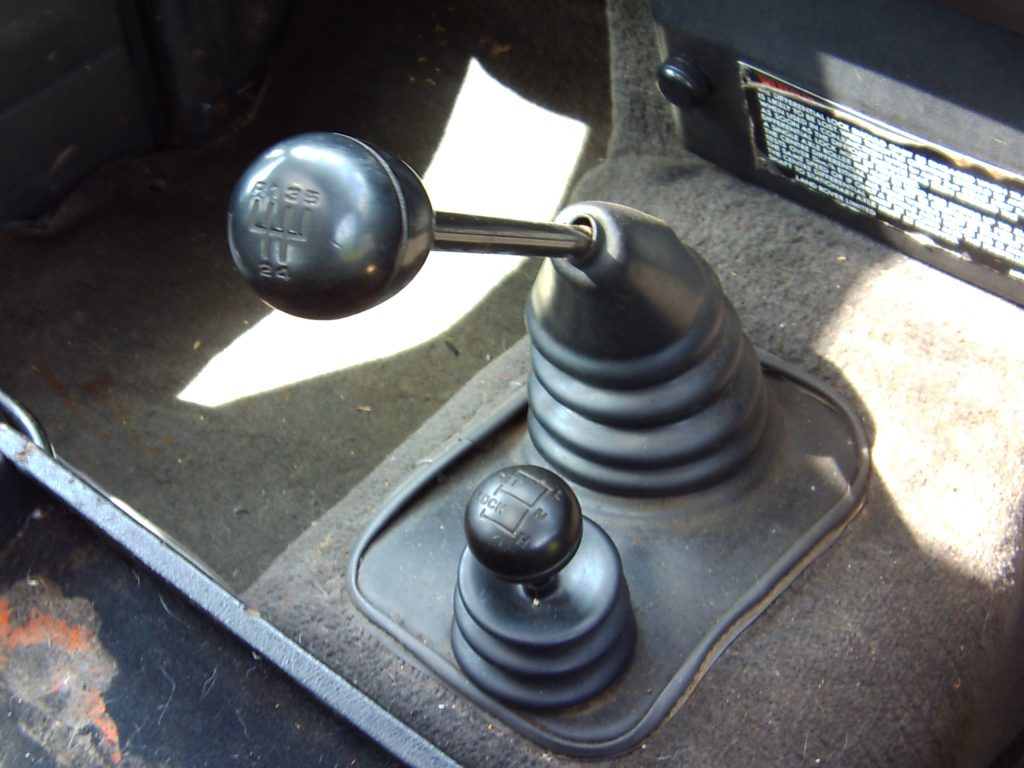
When looking at 4×4 capable bakkies, it’s important to check that the 4×4 system is in proper working order. If possible, take the bakkie for a test drive on a dirt road and make sure that it engages 4 High and 4 Low (if applicable). The same goes for cars with locking diffs. Make sure that diffs don’t leak oil or have any majorly audible whine coming from the gears. On cars with electronic or push to engage 4×4 systems, the same thing applies.
Paintwork:
Bakkies take a beating, so double check paintwork before you make a decision. An important factor to take note of when choosing the colour of your bakkie is whether or not it will be seeing a lot of off-road action. Darker colours tend to show more dings and scratches.
Bodywork:
An obvious check to do when inspecting a bakkie is to look at the condition of the bodywork. Make sure that all the panels line up and that there aren’t any serious issues. Cars get dinged and scratched up with age, but it isn’t the end of the world. Rather focus on the mechanical state of the bakkie than the looks.
Parts availability:
The availability of parts should play an important role in your purchasing decision. Most popular brands of bakkies in South Africa enjoy good parts support, and it shouldn’t be too difficult to find what you’re looking for at a decent price. You might struggle with older bakkies, (think mid 90’s and older) and exotics. Thankfully we live in the age of the internet, so finding a part for that El Camino or Dacia shouldn’t mean the end of the world (just hope it gets here. Thanks Post Office).
Aftermarket support:
Aftermarket support is something to consider if you’re planning on adding extras to your pride and joy. The aftermarket industry for bakkies is massive in South Africa and covers most makes and models, some more than others though. The most popular extras that most owners add to their bakkies usually include bull-bars and side steps, suspension lift kits, roof racks and much, much more. Some models like the venerable Toyota Hilux will enjoy a massive amount of support, while newer Chinese imports won’t, although the market for these is growing fast.
Club Support:
If you are so inclined, 4×4 clubs can be a good way to meet likeminded people . It is also an excellent way to to learn your cars limits in a safe and supportive environment. An added bonus is receiving free advice on everything from maintenance and modifications, to tips on the best wood to use for a braai.
Now without further ado, lets talk about second hand bakkie deals! Obviously we couldn’t squeeze in all the options out there, but we’ve picked a few of our favourites that are less than 10 years old in the most prominent price categories.
Under R150 000
#1 Nissan Hardbody NP300

The NP 300 has been around for ages. It’s not the most luxurious or capable by any means, but its proven to be reliable and tough. A real South African workhorse. We’d go for the indestructible 2.4 petrol 4×4.
Things to look out for: Diff seals, rust and cracked exhaust manifoolds
Service cost: 2 starsParts availability: Everywhere.
Off road: The 4×4 models are very capable. 2×4’s with diff lock might surprise you!
#2 isuzu KB

We could include an Isuzu in each of these categories. They are tough as nails, last forever and are cheap and easy to maintain. We’d go for a KB 250 Turbo Diesel.
Things to look out for: Excessive fuel consumption and gearbox issues
Service cost: Moderate
Parts availability: Everywhere
Off road: Very capable
#3 Tata Xenon
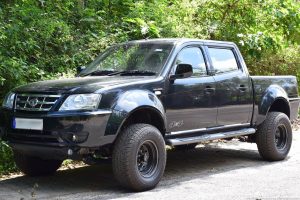
The Tata has slowly gained the respect and trust of bakkie lovers across South Africa. It’s main draw card remains its price. For under 150k you can get a relatively fresh specimen that is on par with older versions of the popular offerings.
Things to look out for: General build quality issues, suspension parts
Service cost: Moderate
Parts availability: Limited/ Imported
Off road: Decent.
Under R300 000
#1 Isuzu KB

For under 300k our choice would be an Isuzu KB once again. We just can’t ignore the reliability and sheer grit of these machines.
Things to look out for: high fuel consumption, sluggish performance
Service cost: Moderate
Parts availability: Everywhere
Off road: Very capable
2.Ford Ranger
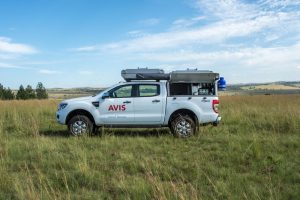
Ah, the ever popular Ford Ranger. These bakkies are best known for taking the fight directly to the reigning champion, the Toyota Hilux. For a smidgeon under 300k you can pick up a decent Ranger. Now all you need to do is save up for that fake Raptor kit (please don’t)
Things to look out for: build quality issues, rough shifting gearboxes, fake raptors
Service cost: Moderate to high
Parts availability: Everywhere
Off road: Capable
#3 Toyota Hilux
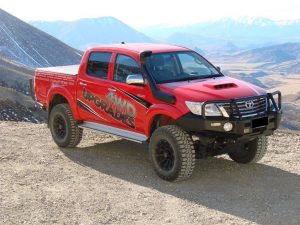
Eventually the Hilux had to make an appearance. What can we say about this bakkie that you don’t know? Legendary reliability, parts and aftermarket support everywhere. Just don’t get stuck, you’ll never hear the end of it.
Things to look out for: General service parts. Injectors on diesel models tend to clog up.
Service cost: Moderate
Parts availability: Everywhere
Off road: Highly capable
Under 500 000
#1 Hilux
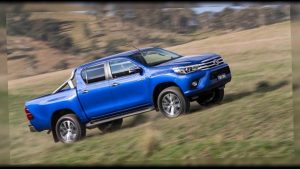
For under 500k we’d pick the Hilux. There’s very little that beats a fresh second hand Hilux.
Things to look out for: Apart from a dodgy service history, nothing much.
Service cost: Moderate
Parts availability: Everywhere
Off road: Highly Capable
#2 Ranger
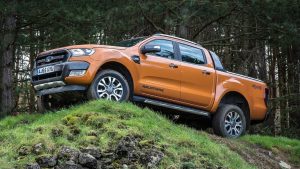
It’s a close one between the ranger and the hilux, but for us, the hilux’s brand equity pips the bold offering by Ford.
Things to look out for: electronic malfunctions. Look out for recalls
Service cost: Moderate to high
Parts availability: Moderate
Off road: Capable
#3 Amarok
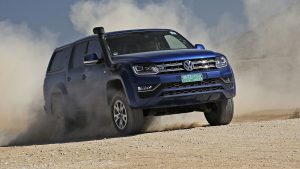
The VW Amarok took the double cab market by surprise, offering near luxury car interior specs in a traditional single and double cab bakkie layout. The engines are great, and they can hold their own when it comes to going off road.
Things to look out for: serpentine belt failures, diesel filter issues,
Service cost: High
Parts availability: Moderate
Off road: Capable
There are so many options in the second hand bakkie market that we couldn’t hope to cover them all, but with this guide by your side, navigating the maze should be a little bit easier.


[…] South Africa’s Best Second-Hand Bakkie Guide […]